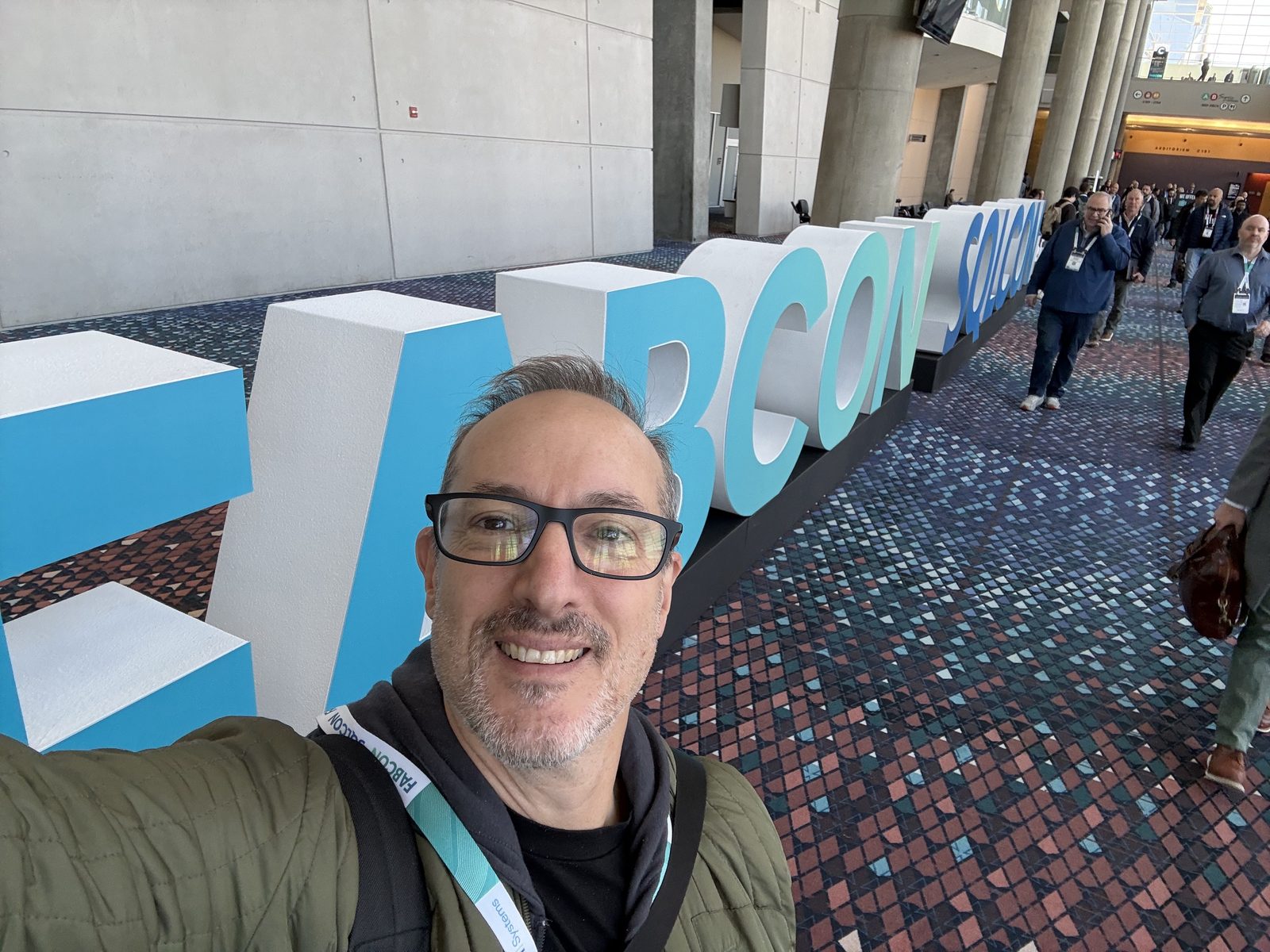
Atlanta, March 16 to 20
I went to FabCon + SQLCon 2026 in Atlanta with a simple goal: stay close to where Microsoft Fabric is actually going, not where the marketing decks say it is going. After twenty years on the Microsoft data stack and two years of shipping Fabric platforms into production, I have learned that the most useful signal at a Microsoft conference is not the keynote. It is the hallway, the session Q and A, and the conversations with the engineers who built the thing you are trying to deploy on Monday morning.
Five days later, I came home with three things I am taking straight into client work, one specific pattern that snapped into focus during a real-time intelligence session, and a clear answer to a question I get asked every March: is FabCon worth the flight?
Why I went
Through DataMartIn, I spend most of my time helping teams build analytics they can actually trust. That work pulls me in two directions at once. On one side, customers need stability, governance, and platforms that will still be running cleanly two years from now. On the other side, Microsoft is shipping Fabric features at a pace that makes “two years from now” feel like science fiction. The only way to bridge those two pressures is to be early to the patterns, not the announcements.
That is what FabCon delivers when you work it correctly. Not a feature checklist, but a calibrated read on which patterns will hold up and which ones are still being figured out in production. The difference between those two is the difference between a platform that lasts and a platform that needs to be redone.
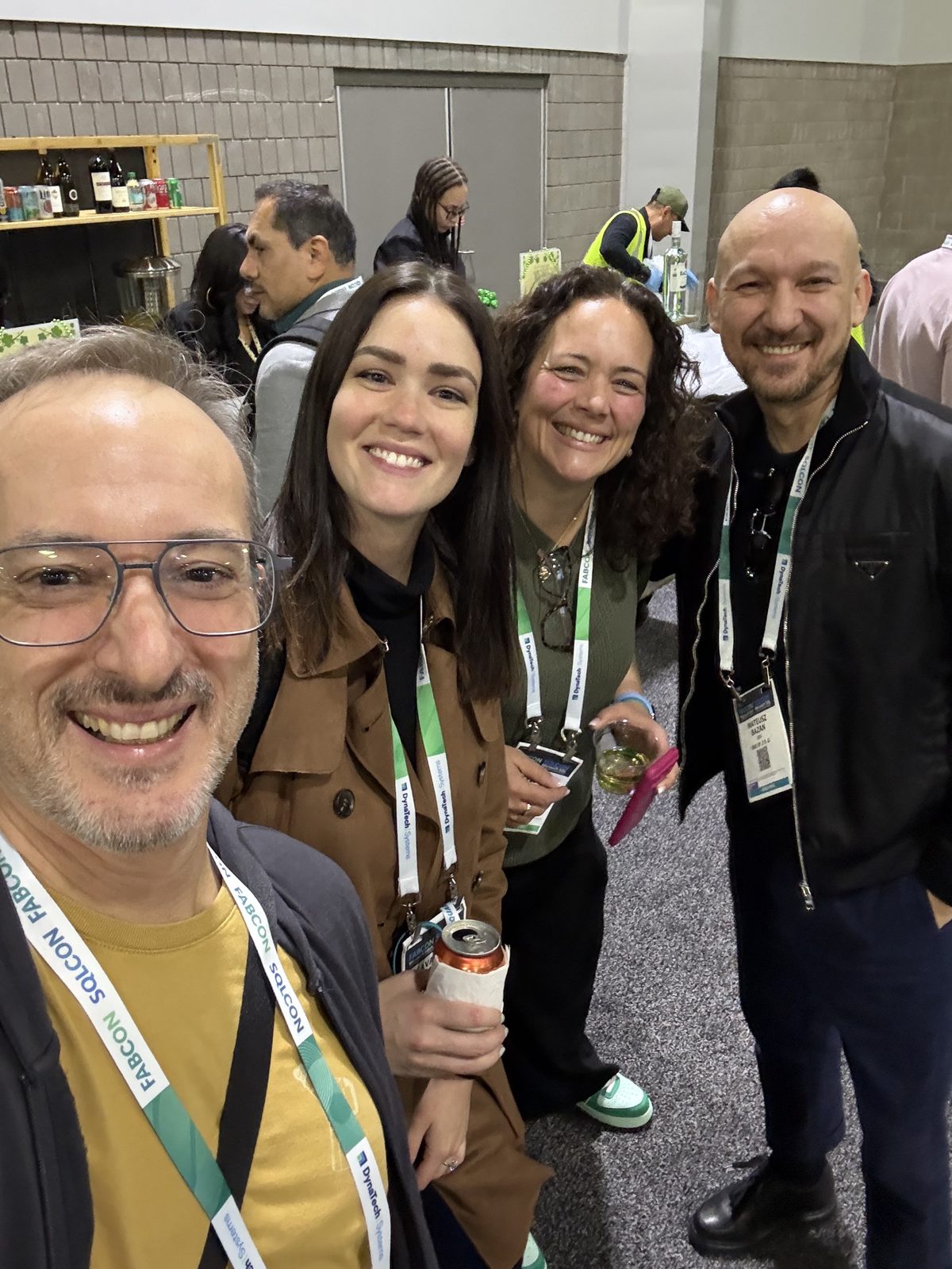
So I went to listen, to compare notes with peers who are actually building, and to spend time with the Microsoft Partner team who continue to invest in the partner ecosystem in ways most other vendors do not. Particular thanks to Nikolina Kvesić, Stephanie Chimeziri, Savannah Winship, and Tamer Farag, who made the partner program at this event genuinely useful, not just a logo on a badge.
What I came home convinced about
Three things showed up in session after session, in conversation after conversation. They are not announcements, they are direction. And direction is what you build a delivery practice around.
Simplifying the architecture matters more than adding features. Fabric continues to move toward fewer moving parts, clearer patterns, and stronger defaults. That is a quiet shift but a meaningful one. It means less time explaining complexity to a steering committee and more time shipping outcomes the business actually uses. The teams winning with Fabric right now are the teams resisting the urge to use everything. They are picking the workloads that fit and leaving the rest until the pattern matures.
Governance and trust are not phase two. Real-time insights, Copilot, and AI only deliver when the data foundation underneath them is solid. The week reinforced what I have been telling clients for the last year: a Fabric platform without a governance model is a Fabric platform that will need to be rebuilt the moment Copilot starts answering business questions in front of an executive. The semantic model, the security boundary, the refresh strategy. None of that is optional anymore. All of it is now load-bearing for AI.
Speed without chaos is achievable, but only with the right patterns. This was the through-line of the whole week. Customers can move faster on Fabric than they could on the previous generation of the stack, but speed without discipline produces capacity surprises, broken refreshes, and reports nobody trusts. The pattern work, the kind of pattern work we publish in our Delivery Patterns series, is what makes the speed sustainable.
The session that snapped into focus
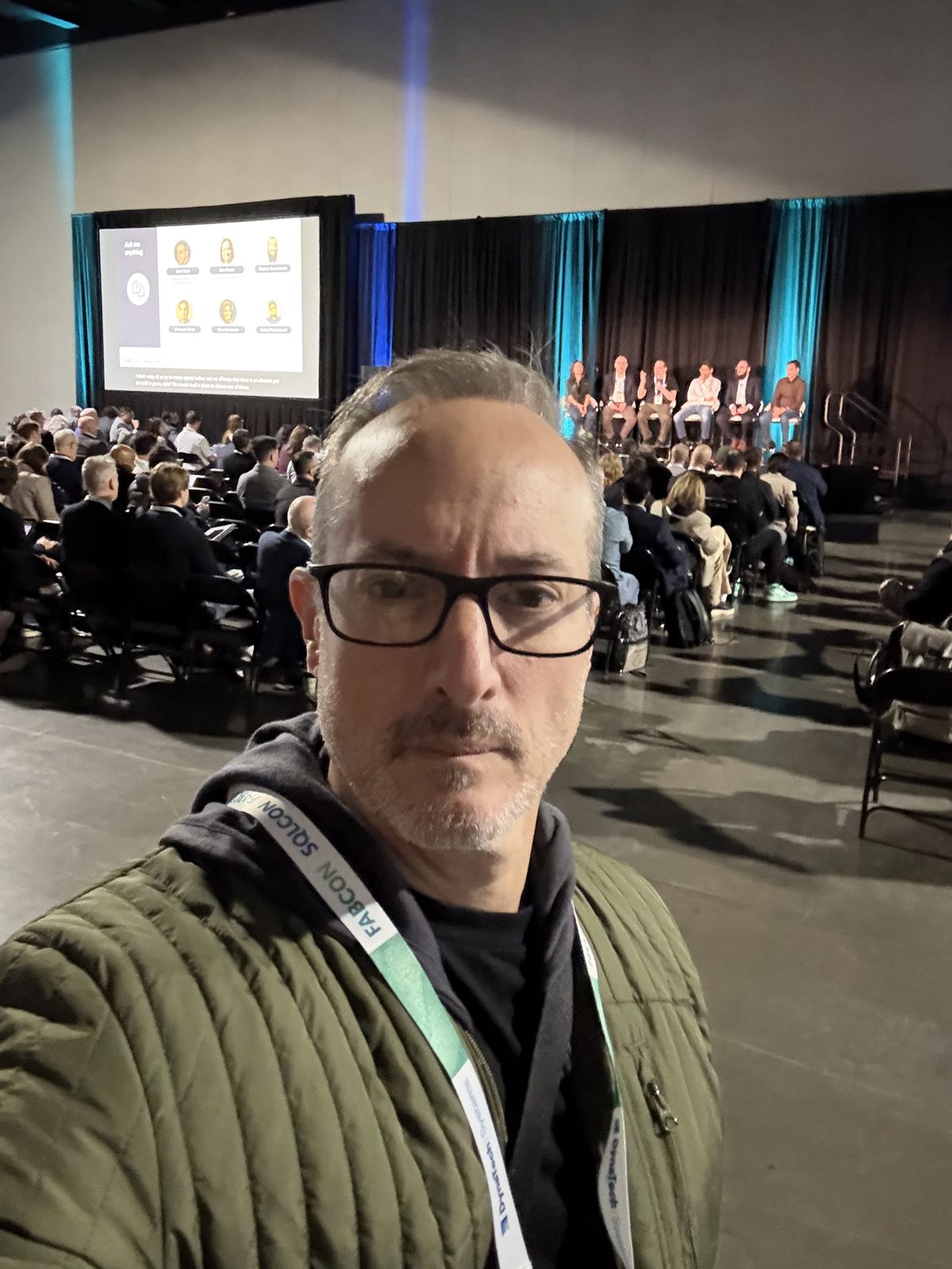
The Real-Time Intelligence session on day three crystallized something I had only half-articulated until then. Real-time only creates value when it is tied to action. Streaming data, live dashboards, instant alerts. They are all powerful, but only when there is a clear decision or response on the other end of the alert.
I have seen this fail in the field more than once. A client builds a beautiful real-time dashboard, lights up a wall in their operations center, and within a quarter nobody is looking at it. The problem is not the technology. The problem is that nobody answered the question of who acts when the dashboard turns red. RTI without an action loop is theater. RTI with an action loop is operational leverage.
That is going directly into how I scope real-time work going forward.
What we are doing differently at DataMartIn coming out of this
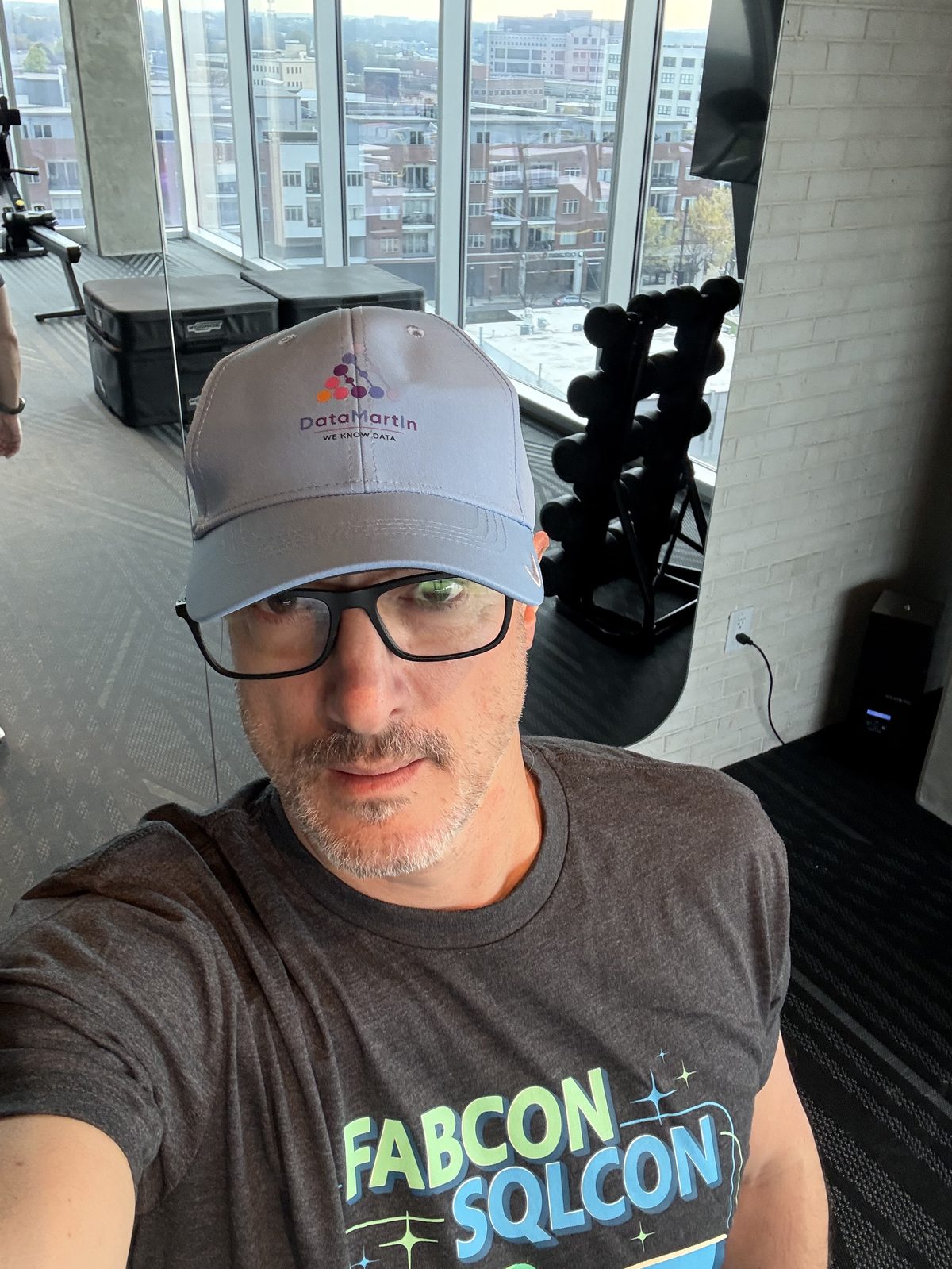
Conferences are easy to attend and hard to convert. The point of going is not the photos, it is what changes on Monday morning. Three things are changing for us:
We are packaging clearer Fabric-first offerings, with the architectural patterns and governance defaults built in from day one rather than bolted on at handover. We are doubling down on enablement and training, not only delivery, because the value of a Fabric platform is determined by the team that runs it after we leave. And we are helping customers move from “Power BI reports” to end-to-end Fabric architectures they trust, which means having the harder conversations earlier about ownership, cost, and what the platform is actually for.
If those three shifts sound less like product announcements and more like operating principles, that is the point. The technology will keep moving. The principles are what give the technology somewhere reliable to land.
Should you go to FabCon next year
If you are building on Fabric, or seriously considering it, yes. The question is which one and when.
The Atlanta edition in March is the flagship. It is where Microsoft makes its biggest announcements, where the SQL community now sits inside the same venue, and where the partner ecosystem shows up in force.
Here is the advice I would give myself before my first FabCon: do not try to attend everything. Pick three workloads you actually use, build your week around the deepest sessions in those workloads, and leave the keynote-level content for the recordings. The hallway conversations and the partner program activities are where the disproportionate value lives, and you cannot replay those after the fact.
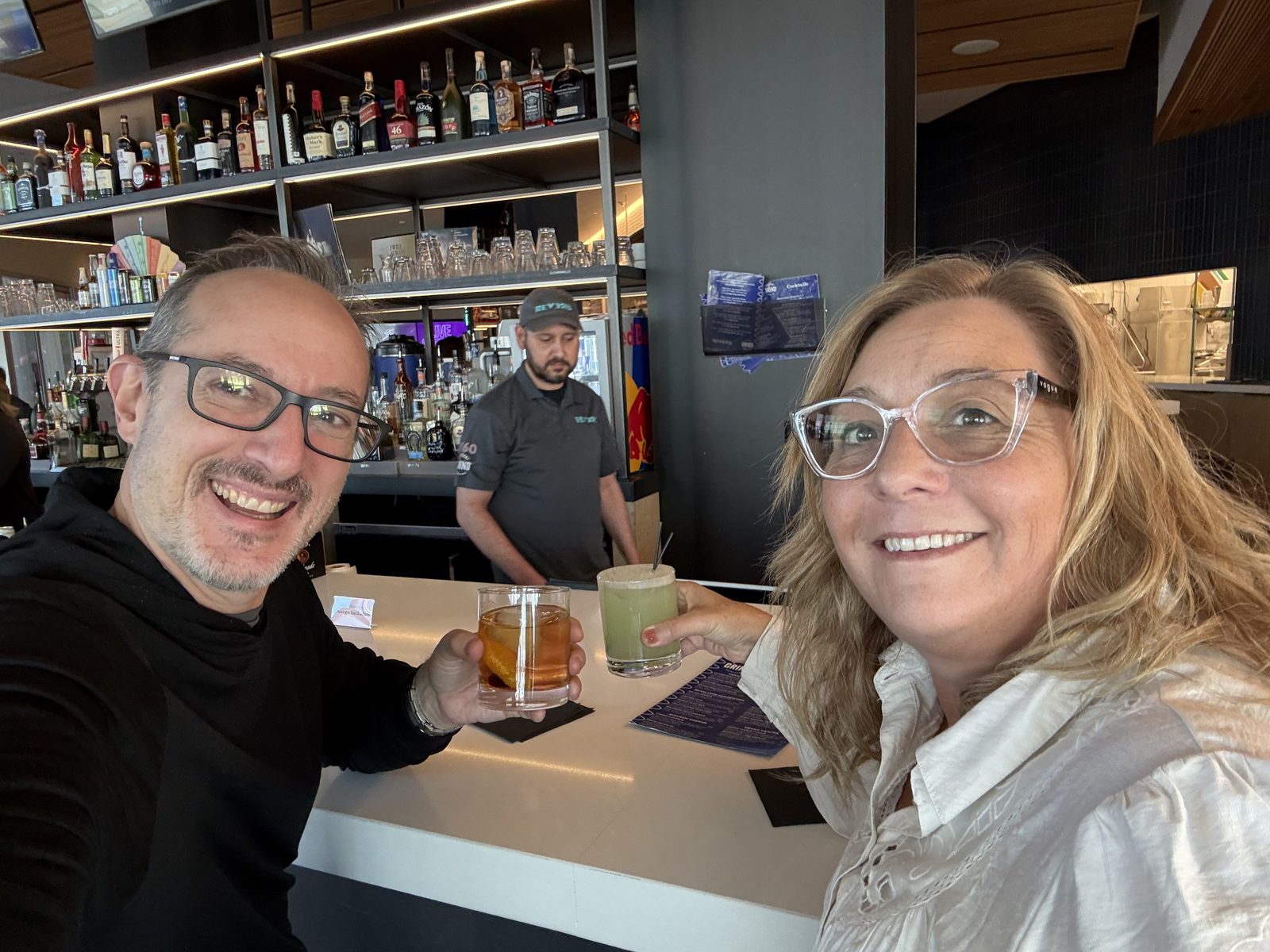
I will be back in Atlanta for FabCon + SQLCon next year. If you are going to be there and you are building on Fabric, find me. Some of the best conversations I had this week were the ones I did not have on the schedule, and I would rather have a few of those with you than another badge scan.
Building or scaling on Microsoft Fabric and want a calibrated read on the patterns that actually hold up in production? Talk to a Fabric specialist.